
High Performance Shouldn’t Mean High Exhaustion:
Rethinking How We Work and Measure Success
There’s a pattern that shows up across many organisations. It’s often unspoken. Sometimes even rewarded.
The more someone works…
The more they take on…
The more they stretch themselves…
The more they’re seen as “high performing.”
But over time, something starts to shift.
What looks like performance…
Begins to look more like:
- long hours becoming the norm
- constant availability
- difficulty switching off
- increasing pressure to keep up
And in some cases:
12-hour days become routine
14-hour days become familiar
Even 15–16 hour days are no longer unusual
And this is where we need to pause
Because working at that level - consistently - isn’t sustainable.
The issue isn’t commitment
It’s not ambition. It’s not work ethic.
It’s the assumption that:
More hours = more value
But in reality
Research and experience across organisations show that:
- performance declines with fatigue
- decision-making becomes less effective
- creativity reduces under pressure
- errors increase over time
In other words:
The very thing we’re trying to maximise…starts to decrease.
This is where a different perspective is needed
Instead of asking:
“How much can this person take on?”
We should be asking:
“What level of performance can this person sustain?”
Connecting the principles
In earlier articles, we explored:
- Lean methodology → removing unnecessary work
- Agile methodology → creating clarity and focus
Sustainable performance builds on both.
It’s about:
- reducing unnecessary demand
- clarifying priorities
- and designing work in a way that can continue over time
Where organisations often get it wrong
There’s sometimes an unspoken trade-off:
“We can’t reduce their workload right now…”
“But we still need them to take this on…”
So what happens?
The work doesn’t disappear
The expectations increase
And the gap is filled by personal time
Even if unintentionally.
The role of messaging — and what gets reinforced
Another factor that often goes unnoticed is the messaging around performance. Not just what is said explicitly — but what is reinforced through outcomes.
When someone takes on additional responsibility and delivers quickly…
It’s often seen as a positive
The output is valued- praised even
The pace is accepted
But what isn’t always visible is how that output was achieved.
In some cases:
It’s being done through extended hours
Through working beyond what’s sustainable
Or by using personal time to meet expectations
And over time, this can create an unintended signal:
That working longer is what leads to recognition
That going beyond capacity is what gets results
That this level of effort is expected — even if it’s never formally stated
This becomes more complex if it’s known
If organisations are aware that this is happening…
…and continue to accept the output without adjusting expectations…
The pressure shifts entirely onto the individual
Even if unintentionally.
Sustainable performance requires aligned messaging
It’s not just about designing roles well.
It’s about ensuring that:
What is rewarded
What is recognised
And what is expected
Are all aligned with what is actually sustainable.
Because without that alignment…
The system encourages behaviour that cannot be maintained long-term
The risk
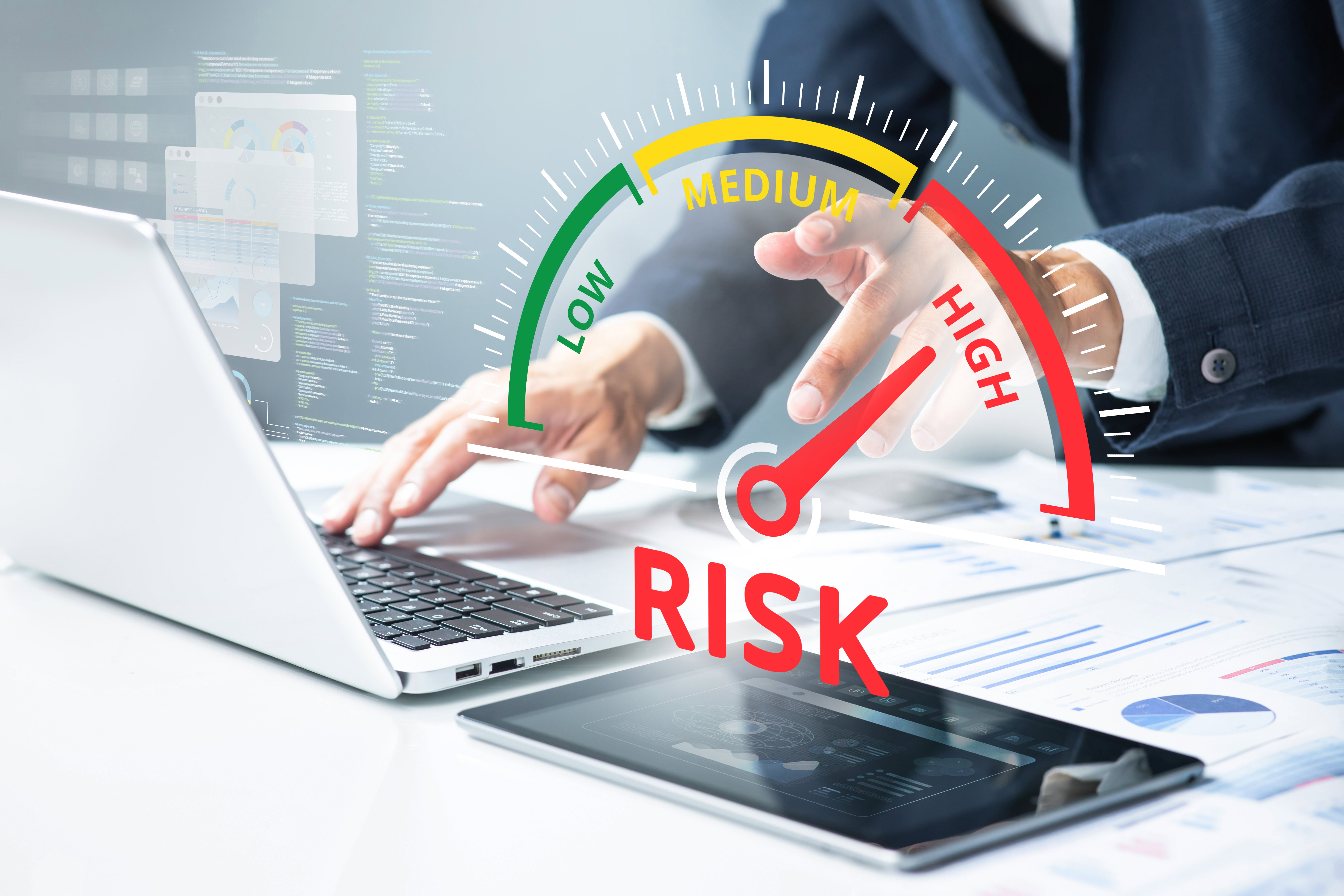
Over time, this leads to:
- burnout
- disengagement
- reduced retention
- and loss of potential
And often, it’s not immediate
It builds slowly. A late evening here. An extra few hours there. Until it becomes the norm.

A more sustainable approach
Sustainable performance doesn’t mean lowering standards. It means designing work differently.
What this looks like in practice:
1. Defining realistic capacity. Not theoretical — actual.
2. Designing roles around sustainability. Not just output.
3. Recognising effort without normalising overwork. There’s a difference.
4. Creating space for recovery and reflection. Not just constant delivery.

Final thought
High performance shouldn’t come at the cost of wellbeing.
And long-term success isn’t built on short-term overexertion.
It’s built on consistency.
Clarity.
And sustainability.
At TOWDN, we explore how business principles and real-world experience come together — not just to drive performance, but to make it sustainable.
Have a topic you’d like us to explore?
We’re building this as part of a weekly series — and we’re always keen to hear what would be most useful.
Feel free to share topics or questions you’d like us to cover.
This article is part of TOWDN’s weekly series exploring practical business principles and how they apply in real-world settings.
Available Resources HERE at TOWDN